



A lung cancer diagnosis raises immediate and often overwhelming questions. What type of cancer is it? What are the treatment options? How quickly does something need to happen?
In the days following a diagnosis, it can be difficult to know where to begin. One of the most practical steps a patient or family member can take is to prepare a list of questions before meeting with their oncologist. A well-prepared consultation — whether through the NHS or privately — allows for a more focused and productive discussion, and helps ensure that nothing important is overlooked.
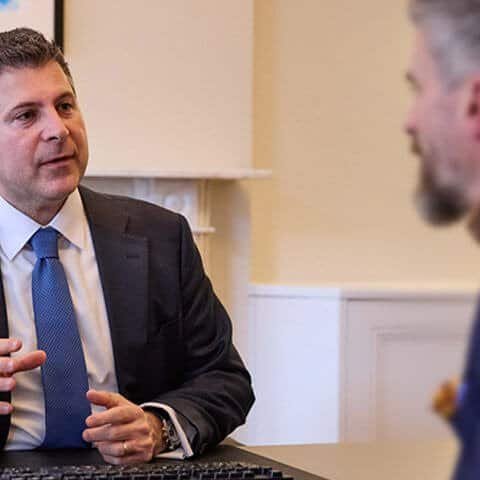
Dr Dionysis Papadatos-Pastos, a consultant medical oncologist specialising in lung cancer in London, has prepared this guide to help patients and families approach their consultation with greater confidence.
 Topics Covered
 Topics Covered
Why Preparing Questions Matters
Oncology consultations cover a great deal of information in a relatively short time. It is entirely normal to feel overwhelmed, to forget what was said, or to think of important questions only after leaving the appointment.
Writing questions down beforehand — and bringing a trusted person to the consultation to take notes — can make a significant difference. It is also worth knowing that no question is too basic. Understanding your diagnosis is not only your right; it is an essential part of making informed decisions about your care.
Questions About Your Diagnosis
These questions help establish a clear picture of the cancer itself before any treatment decisions are made.
- What type of lung cancer do I have — non-small cell or small cell?
- What is the stage of the cancer, and what does that mean in practical terms?
- Has the cancer spread beyond the lung, and if so, where?
- Has a biopsy been performed, and what did it show?
- Have biomarker and molecular tests been carried out, including EGFR, ALK, ROS1, KRAS and PD-L1?
- Are there any further tests or scans needed before treatment can begin?
- Will my case be discussed by a multidisciplinary team (MDT)?
Understanding the type and stage of lung cancer, as well as the molecular profile of the tumour, is fundamental to everything that follows. In modern lung cancer care, treatment decisions increasingly depend on these details rather than on staging alone.
Questions About Treatment Options
Once the diagnosis and staging are clear, the focus shifts to what can be done and why.
- What treatment options are available for my type and stage of lung cancer?
- Is the aim of treatment to cure the cancer, to control it, or to relieve symptoms?
- Which treatment would you recommend, and why?
- Are there targeted therapies available based on my biomarker results?
- Is immunotherapy an option for me?
- Could I be considered for a clinical trial?
- Are there alternative approaches worth considering alongside the recommended treatment?
- What happens if I choose not to have treatment?
These questions help clarify not only what treatment is recommended but also the reasoning behind it. Understanding the goal of treatment — whether curative, disease-controlling or symptom-focused — is especially important in setting realistic expectations and planning ahead.
Questions About Side Effects and Practical Impact
Treatment affects daily life, and it is important to have an honest picture of what to expect.
- What are the most common side effects of this treatment?
- Are there side effects I should watch for and report immediately?
- How will treatment affect my daily life, work and energy levels?
- Will I need to stay in hospital, or is this treatment given as an outpatient?
- How long will treatment last, and how often will I need to attend?
- Are there ways to manage or reduce side effects?
- Should I make any changes to my diet, activity levels or other medications during treatment?
Side effects vary considerably depending on the type of treatment — chemotherapy, immunotherapy and targeted therapies each carry different profiles. Understanding what is likely to happen, and what to look out for, helps patients and families feel more prepared.
Questions About Monitoring and Follow-Up
Lung cancer treatment is rarely a single event. Understanding how progress will be assessed is an important part of the bigger picture.
- How will we know if the treatment is working?
- What scans or tests will be used to monitor my response?
- How often will I have follow-up appointments?
- What happens if the cancer does not respond to treatment?
- What are the options if the cancer comes back or progresses?
Questions About Seeking a Second Opinion
A second opinion is a normal and accepted part of cancer care. Asking for one does not mean a lack of trust in the treating team — it is simply a way of ensuring that all options have been considered.
- Would a second opinion from another specialist be helpful?
- Are there specialist centres with particular expertise in my type of lung cancer?
- Can you refer me or share my records if I wish to seek another view?
For patients with complex diagnoses, rare mutations or advanced disease, a specialist second opinion can provide valuable clarity and occasionally open up treatment pathways that were not previously identified.
Questions About Private Specialist Care
Some patients choose to seek private oncology care — either for a second opinion, to access treatment more quickly, or to have more time for detailed discussion.
- Is private specialist care available to me, and what would it involve?
- What are the advantages of a private consultation in my situation?
- Can private care work alongside my existing NHS treatment?
A private consultation with a thoracic oncology specialist can offer rapid access, dedicated appointment time and the opportunity to discuss treatment options in greater depth. For patients who feel they need more time or more detailed discussion than is currently available, this can be a valuable step.
Practical Tips for Your Consultation
Before the appointment, write your questions down and prioritise the ones that matter most to you. Bring a family member or close friend to help listen and take notes. If possible, ask for the consultation to be recorded, or request a written summary afterwards. Do not feel obliged to make decisions immediately — it is entirely reasonable to ask for time to think before agreeing to a treatment plan.
Conclusion
A lung cancer diagnosis is the beginning of a process, not an endpoint. The conversations you have with your oncology team in the weeks that follow will shape your understanding of the disease and the decisions you make about treatment.
Asking the right questions — and taking the time to understand the answers — is one of the most important things a patient can do. Dr Papadatos-Pastos and his team are committed to making sure that every patient leaves a consultation with a clear picture of their situation and the options available to them.
If you would like to discuss your lung cancer diagnosis or treatment options in a private consultation, Dr Papadatos-Pastos sees patients at several London clinics and is available for in-person and virtual appointments.

Support and Follow-Up Care
Dr Papadatos-Pastos and his team provide ongoing support beyond medical treatment.
Patients receive clear communication, psychological care and access to nutrition, physiotherapy and symptom-management services.
Regular follow-up ensures early detection of recurrence and long-term wellbeing.

Book a Consultation
If you or someone close to you has been diagnosed with lung cancer, early consultation with a specialist can make a real difference. Appointments are available at several London clinics.
Faq
Answers to Common Questions
Answers to Common Questions About Talking to Your Oncologist After a Lung Cancer Diagnosis
The most important early questions relate to the type and stage of cancer, whether biomarker and molecular testing has been carried out, and what the treatment options are. Understanding the goal of treatment — whether curative, controlling or symptom-focused — is also essential before any decisions are made.
Yes. Biomarker testing — including EGFR, ALK, ROS1, KRAS and PD-L1 — is now a standard part of lung cancer assessment and directly influences which treatments are most appropriate. If testing has not yet been arranged, it is worth asking when results will be available.
Absolutely. A second opinion is a normal and accepted part of cancer care. It does not imply dissatisfaction with the treating team — it is a way of ensuring that all options have been considered, particularly in complex or advanced cases.
Bring any relevant scan results, biopsy reports or letters from other doctors. A written list of questions is helpful, as is a trusted person who can listen and take notes. If you take other medications, bring a list of these too.
Prioritise your most important questions before the appointment and ask them early in the discussion. It is reasonable to let your oncologist know at the start that you have questions you would like to get through. Taking notes — or asking someone to take notes for you — helps ensure you remember what was discussed.
Yes. Clinical trials may offer access to treatments not yet widely available and are worth asking about, particularly if standard treatment options are limited or if you have a rare mutation or advanced disease.
A private consultation typically offers more appointment time, faster access and the opportunity for a detailed discussion of diagnosis and treatment options. For patients who feel they need more information than a standard consultation allows, or who wish to seek a specialist second opinion, private care can provide an important additional resource.
